
Why So Many Southern California Properties Are Making the Switch to Low-Water Landscaping
Drought tolerant landscaping installation is one of the smartest investments a Southern California property owner or HOA manager can make right now. Here’s what you need to know at a glance:
What drought-tolerant landscaping installation involves:
- Remove or reduce traditional turf — replace water-hungry grass with climate-adapted plants
- Prepare the soil — amend with compost and improve drainage before planting
- Select the right plants — native and adapted species grouped by water needs (hydrozoning)
- Install efficient irrigation — drip systems, smart controllers, and flow meters
- Mulch and finish — 2–4 inches of mulch to lock in moisture and suppress weeds
- Maintain seasonally — light pruning, mulch refresh, and irrigation checks a few times a year
The results? Water savings of 30–80% compared to a traditional lawn, lower maintenance costs, and a landscape that actually thrives in Southern California’s dry summers.
Here’s the reality most property owners don’t realize until they get a water bill they can’t ignore: at least half of all residential drinking water goes straight to irrigating lawns and gardens. In a region like Southern California — where droughts are the norm, not the exception — that’s a serious problem.
The good news is that going water-wise doesn’t mean going ugly. A well-designed drought-tolerant yard can be lush, colorful, and full of life — at a fraction of the water cost. You just need the right plan and the right team.
I’m Troy Basmajian, President of Southern California Tree & Landscape, and over the past decade I’ve helped commercial properties, HOAs, and residential estates across Southern California navigate drought tolerant landscaping installation — from soil prep and plant selection to smart irrigation and long-term maintenance. In this guide, I’ll walk you through exactly how to do it without the overwhelm.
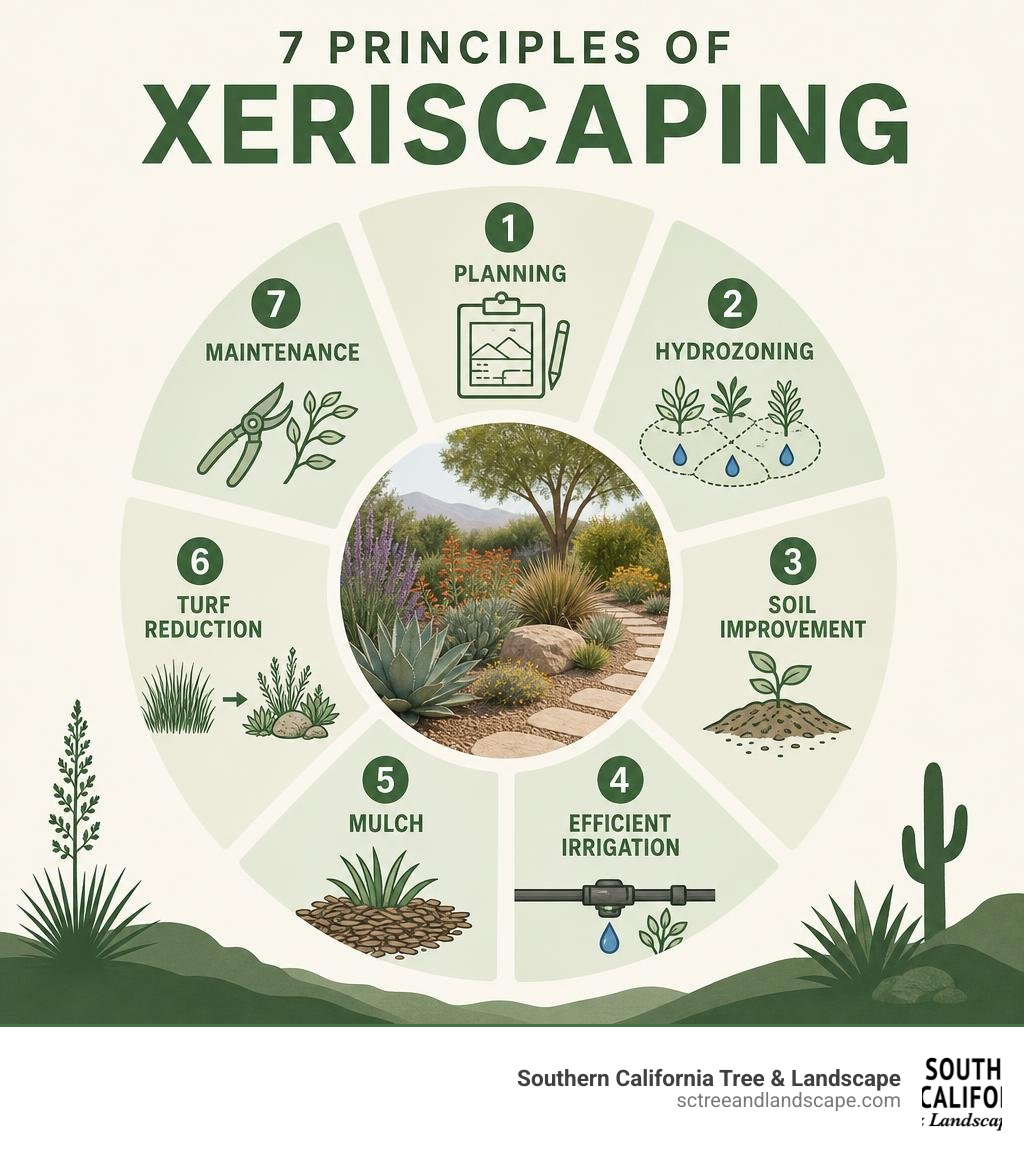
Understanding Drought-Tolerant Landscaping vs. Traditional Lawns
Traditional landscaping in Southern California has historically relied on sprawling green lawns. While a manicured turf lawn looks classic, it is essentially an ecological desert that demands constant life support in our Mediterranean climate. Traditional turfgrasses like Kentucky bluegrass require up to an inch of water per week to stay green, translating to thousands of gallons of drinking water evaporated into the air every single month.
When we compare this to modern Drought-Tolerant Landscaping: Xeriscaping for 2026, the differences are night and day. Drought-tolerant landscaping relies on plants, trees, and groundcovers that have naturally adapted to survive on very little supplemental water once established.

By undergoing a strategic turf reduction, you are not just saving water; you are also restoring the local ecosystem. Native Californian plants attract local pollinators, beneficial insects, and native birds, creating a thriving backyard habitat. Furthermore, replacing high-maintenance grass with a thoughtful combination of hardscaping, mulch, and climate-appropriate plants drastically reduces your monthly water bills and eliminates the need for heavy chemical fertilizers. To get a deeper sense of what your specific property needs, check out our guide on Lawn Care vs Landscaping: What Your Yard Actually Needs.
Why Professional Drought Tolerant Landscaping Installation Saves Money
While some homeowners attempt a DIY turf removal, professional drought tolerant landscaping installation offers an undeniable return on investment (ROI). Experienced crews understand how to design and execute a sustainable plan that prevents common mistakes, such as poor drainage or incorrect plant placement, which can result in dead plants and wasted money.
Beyond preventing plant loss, a professionally installed low-water landscape drastically reduces ongoing maintenance costs. Here is a quick comparison of what you can expect:
| Feature | Traditional Turf Lawn | Drought-Tolerant Yard |
|---|---|---|
| Water Usage | Extremely High (approx. 35,000+ gal/year per 1,000 sq ft) | Low to Very Low (30% to 80% water savings) |
| Mowing Frequency | Weekly (during spring and summer) | Once a month or never (depending on groundcover) |
| Fertilizer & Pesticides | High demand to maintain artificial green color | Minimal to none required |
| Runoff & Waste | High storm runoff, chemical leaching | High retention, rainwater filters back into aquifer |
| Estimated Monthly Care | 8–12 hours (mowing, edging, weeding) | 1–2 hours (light weeding, seasonal pruning) |
Investing in professional design ensures your yard is balanced, beautiful, and tailored to the architectural style of your home or commercial building. Learn more about how we can help you transition by exploring our Landscape Design Installation: Transform Your Outdoor Space services.
Selecting the Best Climate-Adapted Plants for California
Southern California is famous for its unique microclimates. The weather conditions in coastal Torrance or the South Bay are vastly different from the hotter, drier inland areas like Covina. Understanding your specific climate zone and USDA hardiness zone is the first step in successful plant selection.
By choosing plants that are native or highly adapted to your specific area, you ensure they can survive on natural rainfall alone once their root systems mature. For a comprehensive overview of local recommendations, you can review [PDF] The Drought Tolerant Garden – Los Angeles – LA County Public Works.
When designing your new garden, it is crucial to avoid “monoculture” designs. Instead, aim for a balanced aesthetic. Combining structural rocks, boulders, and gravel pathways with soft, flowing ornamental grasses and vibrant flowering perennials creates a stunning, layered look. Discover why this balance is so important in our article Why Your Yard Needs a Balanced Diet of Rocks and Plants.
Top Trees, Grasses, and Groundcovers for Southern California
To make your drought tolerant landscaping installation a success, we focus on high-performing species that look incredible year-round:
- Groundcovers: Creeping thyme, ice plant, and California strawberry make excellent lawn alternatives. They tolerate light foot traffic and shade the soil, keeping root zones cool.
- Low-Water Grasses: Buffalo grass and fine fescues are fantastic turf replacements. When watered properly, these grasses grow much more slowly, so they only need to be mown about once a month.
- Native Trees: Toyon, Desert Willow, and native oaks provide essential shade, which naturally lowers the ambient temperature of your property and prevents soil moisture from evaporating too quickly.
Pro Tip: Timing is everything. Our climate-adapted plants, especially the natives, are much happier if you plant them between November and March. This allows them to establish their root systems during our cooler, wetter winter months before the intense summer heat hits. For more tips on reducing garden chores, read our guide on Stop Working and Start Enjoying: Low Maintenance Garden Tips.
Step-by-Step Guide to Drought Tolerant Landscaping Installation
A successful landscape transformation requires careful planning and execution. Here is the step-by-step process we use at Southern California Tree & Landscape:
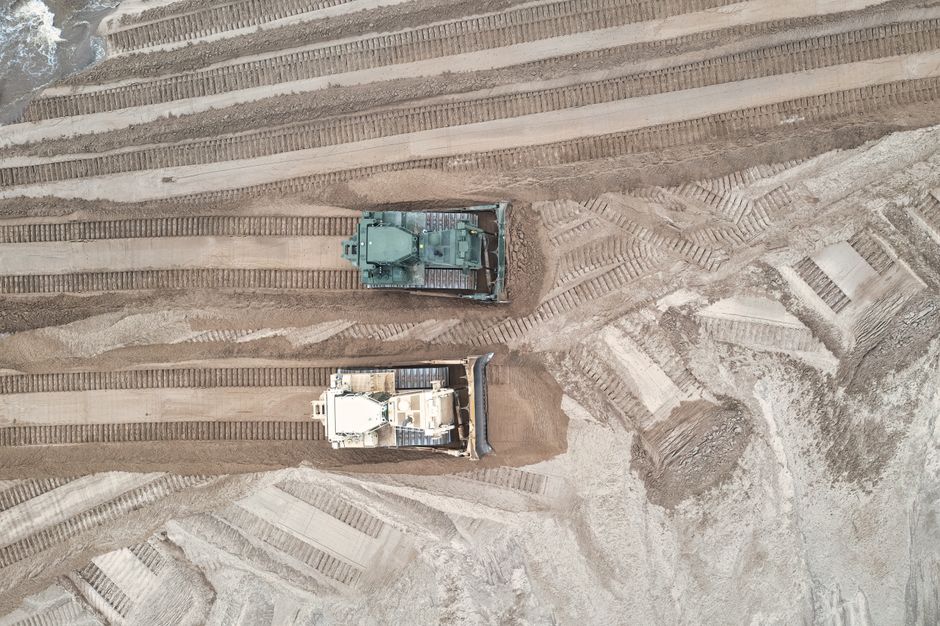
- Site Assessment & Planning: We map out sun exposure, soil type, and existing drainage patterns.
- Lawn Removal: We often use sheet mulching (using layers of cardboard and organic wood chips) to naturally decompose the existing grass without chemical herbicides.
- Grading for Rain Capture: We shape the land to manage runoff. By creating shallow basins, rain gardens, and dry creek beds (swales), we can capture and direct precious rainwater directly to the roots of your thirstiest plants.
- Soil Preparation: We loosen the soil and add organic amendments to ensure healthy root growth.
- Irrigation Retrofitting: We convert outdated, high-spray sprinklers to high-efficiency drip systems.
- Planting: We lay out plants in their designated hydrozones (grouping plants with identical water and sun requirements together).
- Mulching: We apply a thick, protective layer of organic mulch to lock in moisture.
You can read a detailed breakdown of the phase-by-phase process in A Comprehensive Guide to Landscape Installation.
Preparing Your Soil for Drought Tolerant Landscaping Installation
You cannot build a thriving low-water garden on dead, compacted dirt. Healthy soil acts like a sponge, holding onto water and delivering it to your plants as needed.
Before planting, we highly recommend conducting a basic soil test to determine if you are dealing with heavy clay (common in Torrance and Harbor City) or sandy soil. For clay soils, tilling in high-quality organic compost improves aeration and drainage. For sandy soils, compost helps bind the particles together to hold water longer.
According to Drought Resistant Landscaping Ideas for a Low-Water Yard 2026, proper soil preparation can cut your garden’s watering needs by up to 30%. Taking the time to build healthy soil before the plants go in the ground ensures your landscape will thrive for decades.
Smart Irrigation and Water Management Technologies
Modern water conservation is about irrigating smarter, not just watering less. Standard overhead sprinklers are highly inefficient; much of the water evaporates before it ever hits the ground, or runs off into the street.
To prevent this, we upgrade properties to high-efficiency drip irrigation systems that deliver water slowly and directly to the plant root zones. We also install smart, weather-based (ET-based) controllers and rain sensors. These systems monitor local weather data in real-time and automatically adjust your watering schedule, ensuring you never waste water during or after a rainstorm.
If you live in the South Bay, you can prevent unnecessary water loss by reading Don’t Let Your Money Evaporate with These Torrance Smart Controllers. Additionally, keeping an eye out for system leaks is vital. If you suspect an issue, check out Stop the Leak and Save Your Garden with Easy Drip Repair to see how simple fixes can save thousands of gallons of water.
Maximizing Efficiency with Drip Systems and Rainwater Harvesting
To squeeze every drop of efficiency out of your drought tolerant landscaping installation, we combine smart irrigation with rainwater harvesting.
By integrating rain barrels or cisterns with your gutter downspouts, you can capture hundreds of gallons of pure rainwater during winter storms. We also program smart controllers to use the “cycle-and-soak” method. Instead of running irrigation for 15 minutes straight, the system waters in multiple short bursts, allowing the water to fully penetrate deep into the soil without causing surface runoff.
To understand the core principles behind these water-saving methods, read the comprehensive Xeriscaping guide. If you are ready to upgrade your existing irrigation setup, take a look at our specialized Irrigation Services: A Smart Solution for Your Landscape.
Navigating Local Regulations, Permits, and Rebates
Southern California water districts are highly committed to helping property owners transition away from thirsty lawns. Programs like the Landscape Efficiency Assistance Program – LADWP.com and rebates from the West Basin Municipal Water District offer substantial financial incentives—often paying between $2.00 and $5.00 per square foot of turf removed.
However, qualifying for these rebates requires strict adherence to local rules:
- You must apply and receive pre-approval before removing your lawn.
- Most programs require a minimum number of plants per square foot (usually 30–50% plant coverage once mature).
- Overhead sprinklers must be completely capped or converted to drip.
- Parkway strips (the dirt area between the sidewalk and the street) have specific height limits for plants to ensure visibility and safety, and typically require at least an 18-inch hardscaped “step-out” area for passengers exiting parked cars.
We handle all the local permitting, design guidelines, and rebate paperwork to ensure your project goes smoothly. Read more about local design considerations in The Essential Guide to Backyard Oasis Design in Torrance.
Frequently Asked Questions about Low-Water Landscaping
How do you maintain a drought-tolerant landscape after installation?
Low maintenance does not mean no maintenance. To keep your new yard looking pristine, you will need to perform a few simple tasks:
- Mulch Refresh: Top off your organic mulch every spring to maintain a depth of 2–4 inches.
- Weed Control: Pull weeds early in the season before they can go to seed and compete with your plants for water.
- Pruning: Lightly prune native shrubs and cut back ornamental grasses once a year to encourage fresh, healthy growth.
- System Checks: Inspect your drip lines seasonally to ensure emitters are clear of dirt or mineral buildup.
If your yard is overdue for some professional care, learn more about our Landscape Care and Maintenance Services: Why Your Yard is Crying for Help.
How long does it take for drought-tolerant plants to establish?
Most drought-tolerant and native plants require one to two full growing seasons to fully establish their root systems. During this establishment phase, they will still need regular, deep watering. Once they reach maturity (typically by year three), you can drastically reduce irrigation, and many native species will survive entirely on natural rainfall.
Can I still have a colorful garden with low-water plants?
Absolutely! A common misconception is that drought-tolerant yards consist only of rocks and brown cacti. By utilizing vibrant flowering perennials like California fuchsia, Cleveland sage, hummingbird sage, and native wildflowers like the California poppy, you can enjoy a garden packed with purple, red, yellow, and blue blooms from spring through fall.
Conclusion
Ready to stop wasting money on a thirsty lawn and start enjoying a beautiful, sustainable yard? At Southern California Tree & Landscape, we have been helping local property owners design, install, and maintain gorgeous, water-wise gardens since 1991.
Whether you are located in Torrance, the South Bay, Covina, or Harbor City, our experienced crews and ISA-certified arborists are here to guide you through every step of your drought tolerant landscaping installation.
Let’s build a landscape that loves Southern California as much as you do. Explore Our Services and contact us today to schedule your personalized design consultation!